
Your Supply Chain Is Your Biggest Cyber Risk. NIS2 Knows It. Do You?
NIS2 Article 21 requires you to secure your supply chain, not just your own perimeter. This shifts how supplier relationships are governed. Operationalizing third-party risk requires a sustainable operating model.
Why Supply Chain Security Matters: The Lesson from Indirect Breaches
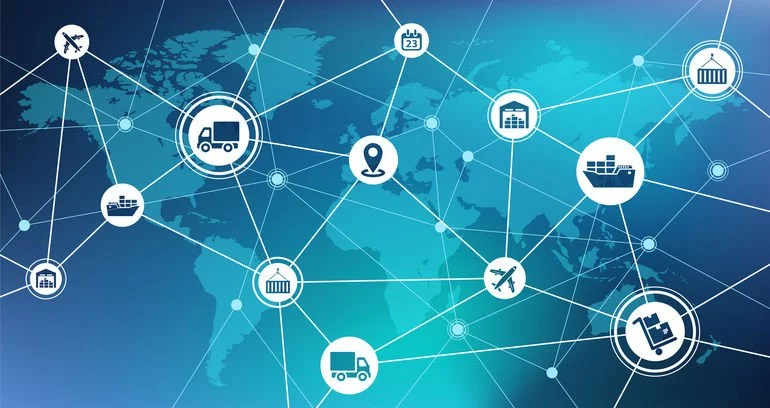
In 2013, the US retailer Target suffered one of the most significant data breaches in history. Forty million credit card numbers were stolen. But the attackers didn't break into Target directly. They compromised a small, third-party HVAC contractor from Pennsylvania that had network access to Target's systems. The breach didn't originate from Target's security failures—it originated from a supplier's.
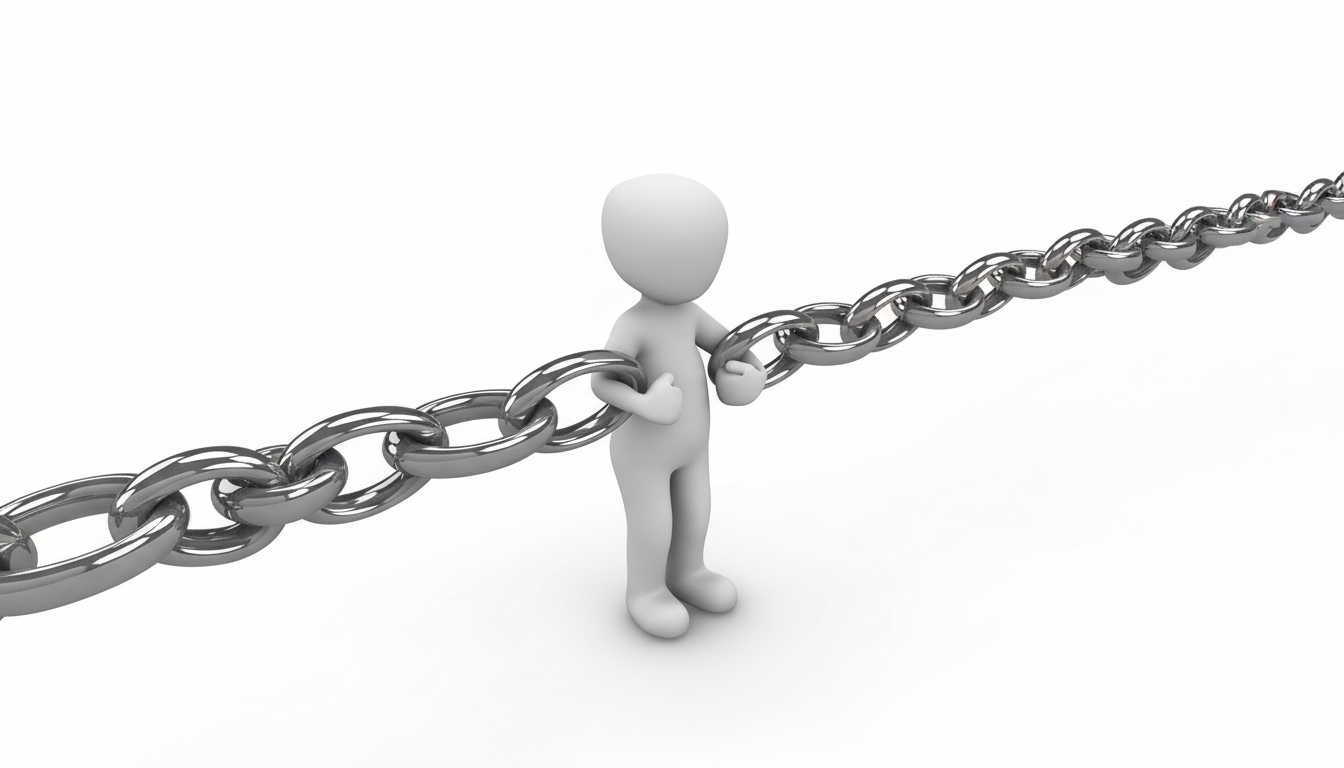
This pattern repeats across industries. Your security is only as strong as the weakest link in your supply chain. A decade later, NIS2 embeds this lesson into European law. Article 21 explicitly requires organizations to address the security of their supply chains. Your entire ecosystem of vendors, from your payroll provider to your cloud hosting service to your marketing agency, is now part of your compliance scope.
For many Dutch companies, this is a terrifying new reality. Your compliance scope now extends far beyond your own organization to include every supplier with access to your systems or data. So where do you even begin?
The Framework: The 3-Tier Supplier Risk Model
You can't audit every single vendor. You need to prioritize. The key is to categorize your suppliers into three tiers based on their level of access and criticality. This tiered approach allows you to focus your highest scrutiny on the suppliers that pose the greatest risk, while applying lighter-touch oversight to lower-risk relationships.
Tier 1: The Insiders (High Risk)
These are suppliers who have deep, privileged access to your systems or data. They are practically an extension of your own company. Examples include your managed IT service provider, your cloud hosting provider (like AWS, Azure, or Google Cloud), and any SaaS platforms that process business-critical data.
These suppliers require the highest level of scrutiny. You need to conduct thorough security assessments before onboarding them, and you need to monitor their security posture continuously. Your contracts with Tier 1 suppliers should include specific security clauses: requirements for ISO 27001 or SOC 2 certification, mandatory incident notification within 24 hours, audit rights that allow you to verify their controls, restrictions on subcontracting without your approval, and termination rights triggered by security failures.
The rationale is straightforward: if a Tier 1 supplier is breached, you are breached. Their security controls are your security controls. NIS2 recognizes this reality and holds you accountable for ensuring these suppliers meet appropriate security standards.
Tier 2: The Gatekeepers (Medium Risk)
Tier 2 suppliers have limited but meaningful access to your systems or data. They don't have the deep integration of Tier 1 suppliers, but they still touch sensitive information or critical processes. Examples include your payroll provider, your CRM platform, your email marketing service, and contractors who occasionally access your network.
These suppliers require moderate scrutiny. You should conduct baseline security assessments during onboarding, typically through structured questionnaires or third-party certifications. Your contracts should include standard security clauses: data protection obligations aligned with GDPR, incident notification requirements (typically within 48-72 hours), and periodic reassessment rights.
The key difference from Tier 1 is frequency and depth of oversight. You're not conducting annual audits or continuous monitoring, but you are establishing baseline expectations and reserving the right to reassess if risk signals emerge—such as a publicized breach, a change in ownership, or a significant expansion of their access to your systems.
Tier 3: The Periphery (Low Risk)
Tier 3 suppliers have minimal or no access to your systems or data. They provide goods or services that don't involve privileged access or sensitive information. Examples include your office supply vendor, your catering service, or a marketing consultant who works entirely on public-facing content.
These suppliers require light-touch oversight. Standard contract terms are usually sufficient—basic confidentiality clauses, compliance with applicable laws, and standard liability provisions. You're not conducting security assessments or demanding certifications. The risk they pose to your cybersecurity posture is negligible, so the oversight burden should match.
The tiered model allows you to allocate resources proportionately. You invest heavily in Tier 1 oversight, moderately in Tier 2, and minimally in Tier 3. This approach is both practical and defensible under NIS2, which requires that security measures be "appropriate and proportionate" to the risks faced.
Building a Sustainable Supply Chain Security Operating Model
Categorizing suppliers into tiers is the first step. The second step is building an operating model that ensures oversight happens consistently, not just during initial onboarding. Many organizations conduct thorough security assessments when they first engage a supplier, then never revisit those assessments. This creates a false sense of security. A supplier that was low-risk two years ago may be high-risk today if their access has expanded, their security posture has degraded, or they've been acquired by a company with weaker controls.
A sustainable operating model includes four components: initial assessment, continuous monitoring, contractual enforcement, and periodic reassessment.
Initial assessment happens during supplier onboarding. For Tier 1 suppliers, this means reviewing certifications (ISO 27001, SOC 2), conducting structured security questionnaires, and potentially performing on-site or virtual audits. For Tier 2 suppliers, this typically means reviewing certifications and questionnaires. For Tier 3 suppliers, standard contract terms are usually sufficient.
Continuous monitoring means tracking risk signals that indicate a supplier's risk profile has changed. This includes monitoring for publicized breaches, changes in ownership or leadership, significant changes in the services they provide to you, or expansion of their access to your systems. For Tier 1 suppliers, continuous monitoring might include automated tools that track security incidents and certifications. For Tier 2 suppliers, it might mean periodic manual reviews of publicly available information.
Contractual enforcement means ensuring that the security clauses you negotiated are actually being followed. If your contract with a Tier 1 supplier requires ISO 27001 certification, you need to verify that certification is current and hasn't lapsed. If it requires incident notification within 24 hours, you need to test that notification process through tabletop exercises or real incidents.
Periodic reassessment means revisiting supplier risk profiles on a regular cadence. For Tier 1 suppliers, this might mean annual security reviews. For Tier 2 suppliers, it might mean reassessment every two to three years, or when triggered by risk signals. For Tier 3 suppliers, reassessment happens only if their role changes (for example, if your office supply vendor suddenly gains access to your procurement system).
This operating model ensures that supply chain security isn't a one-time compliance exercise—it's an ongoing governance function. It creates accountability, generates audit-ready evidence, and reduces the likelihood that a supplier breach becomes your breach.
What This Means for NIS2 Compliance
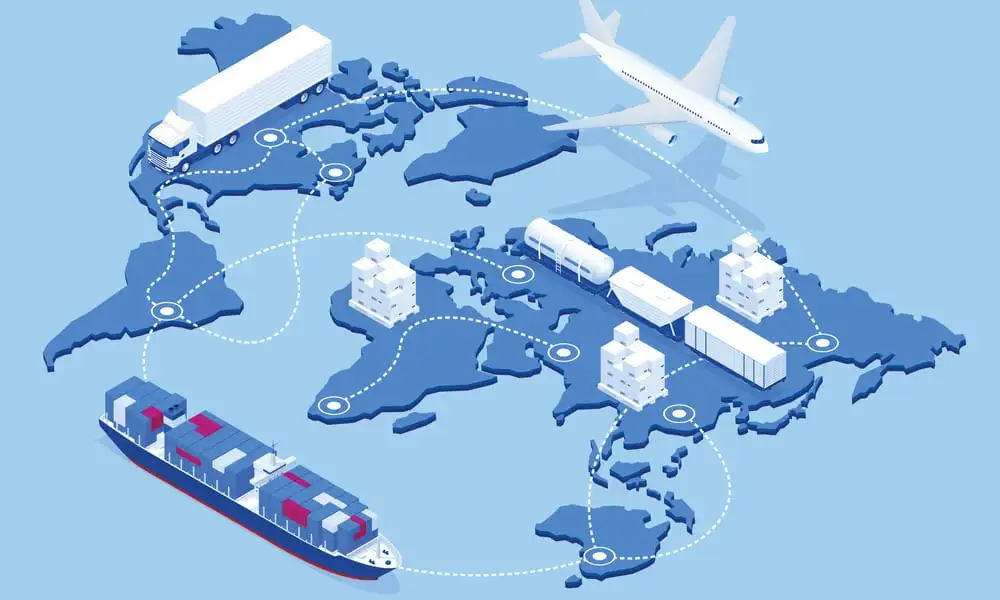
NIS2 Article 21 doesn't prescribe exactly how you must manage supply chain security. It requires that you "address" the security of your supply chains and implement measures that are "appropriate and proportionate." This flexibility is both a benefit and a challenge. It allows you to tailor your approach to your specific risk landscape, but it also means you need to be able to defend your choices.
The 3-Tier Supplier Risk Model provides a defensible framework. It demonstrates that you've thought systematically about supplier risk, that you've allocated oversight resources proportionate to risk, and that you've built mechanisms to ensure ongoing monitoring and reassessment. When regulators or auditors ask how you're addressing supply chain security, you can point to a structured, risk-based operating model rather than ad-hoc vendor management.
The evidence you generate through this model—supplier tier classifications, initial security assessments, continuous monitoring logs, contract security clauses, and periodic reassessment reports—creates an audit trail that proves your supply chain security program operates reliably. This evidence is critical for demonstrating compliance, but it's also critical for defending your organization (and your management body) if a supplier breach occurs.
Common Pitfalls to Avoid
Many organizations approach supply chain security with good intentions but fall into predictable traps that undermine their programs. Understanding these pitfalls can help you avoid them.
The first pitfall is treating all suppliers the same. If you apply the same level of scrutiny to your office supply vendor and your cloud hosting provider, you're either over-investing in low-risk relationships or under-investing in high-risk ones. The tiered model prevents this by ensuring oversight is proportionate to risk.
The second pitfall is conducting thorough assessments during onboarding and then never revisiting them. Supplier risk profiles change over time. A supplier that was low-risk when you first engaged them may be high-risk today. Continuous monitoring and periodic reassessment prevent this blind spot.
The third pitfall is negotiating strong contract security clauses and then never enforcing them. If your contract requires ISO 27001 certification but you never verify that certification is current, the clause provides no protection. Contractual enforcement turns paper commitments into operational reality.
The fourth pitfall is failing to document your supplier risk decisions. If you can't explain why a particular supplier is classified as Tier 2 instead of Tier 1, or why you reassess certain suppliers annually and others every three years, your program looks arbitrary rather than risk-based. Documentation creates defensibility.
Next Steps for Building Supply Chain Security
If your organization hasn't started building a supply chain security operating model, the window for doing so before NIS2 enforcement begins is narrowing. But starting now—even if you're behind—is significantly better than waiting.
Begin by inventorying your suppliers. Create a comprehensive list of every vendor, contractor, and third party that has access to your systems or data. This inventory is the foundation for everything else.
Next, classify suppliers into tiers. Use the criteria outlined above: Tier 1 for deep, privileged access; Tier 2 for limited but meaningful access; Tier 3 for minimal or no access. This classification doesn't need to be perfect on the first pass—you can refine it as you learn more about each supplier's role and risk profile.
Then, assess your Tier 1 suppliers. Review their certifications, conduct security questionnaires, and evaluate whether your contracts include appropriate security clauses. Identify gaps and build a remediation plan.
Finally, establish your operating model. Define how initial assessments will happen, what continuous monitoring looks like for each tier, how contractual enforcement will work, and what triggers periodic reassessment. Assign ownership for each component so accountability is clear.
This work takes time—typically six to nine months to operationalize across your full supplier base. But it's work that pays dividends beyond NIS2 compliance. A mature supply chain security program reduces your actual risk, improves your negotiating position with suppliers, and creates competitive advantage when your customers assess your security posture as part of their own supply chain risk management.
How Savion Can Help
If you're unsure where to start with supply chain security, we offer a free supplier risk diagnostic that inventories your third-party relationships, classifies them into tiers, and identifies your highest-risk gaps. This diagnostic takes 90 minutes and delivers a clear roadmap for building a defensible supply chain security program.
If you know you need help operationalizing supply chain security, we specialize in building sustainable third-party risk operating models. Our approach focuses on proportionate oversight, contractual security frameworks, continuous monitoring mechanisms, and audit-ready evidence generation.
If you want to learn more about NIS2 supply chain requirements and how to build a compliant program, download our Supply Chain Security Playbook, a comprehensive guide that covers tiered risk models, contract security clauses, assessment frameworks, and continuous monitoring strategies.

Olof Penning
NIS2 Article 21 requires you to secure your supply chain, not just your own perimeter. This shifts how supplier relationships are governed. Operationalizing third-party risk requires a sustainable operating model.
Blijf op de hoogte van Human Risk en security awareness.
Ontvang maandelijks praktische inzichten over gedragsverandering, compliance en resilience. Alleen relevante kennis, geen spam.